
March 6, 2026
Tackling Japan’s Pollen Challenge: Weathernews’ Data and Passion



As the days grow warmer, cherry blossom season in Tokyo is less than a month away. Spring brings hanami picnics, leisurely walks, and many more opportunities to enjoy the outdoors. But for many, it also brings an unwelcome challenge: pollen.
Today, roughly half of Japan's population suffers from hay fever. At Weathernews, we see this as a significant social challenge that deserves our full attention and expertise, not just a seasonal inconvenience. In this article, we'll share why we continue enhancing our pollen information and the commitment that drives this work.
The Decision to Measure It Ourselves
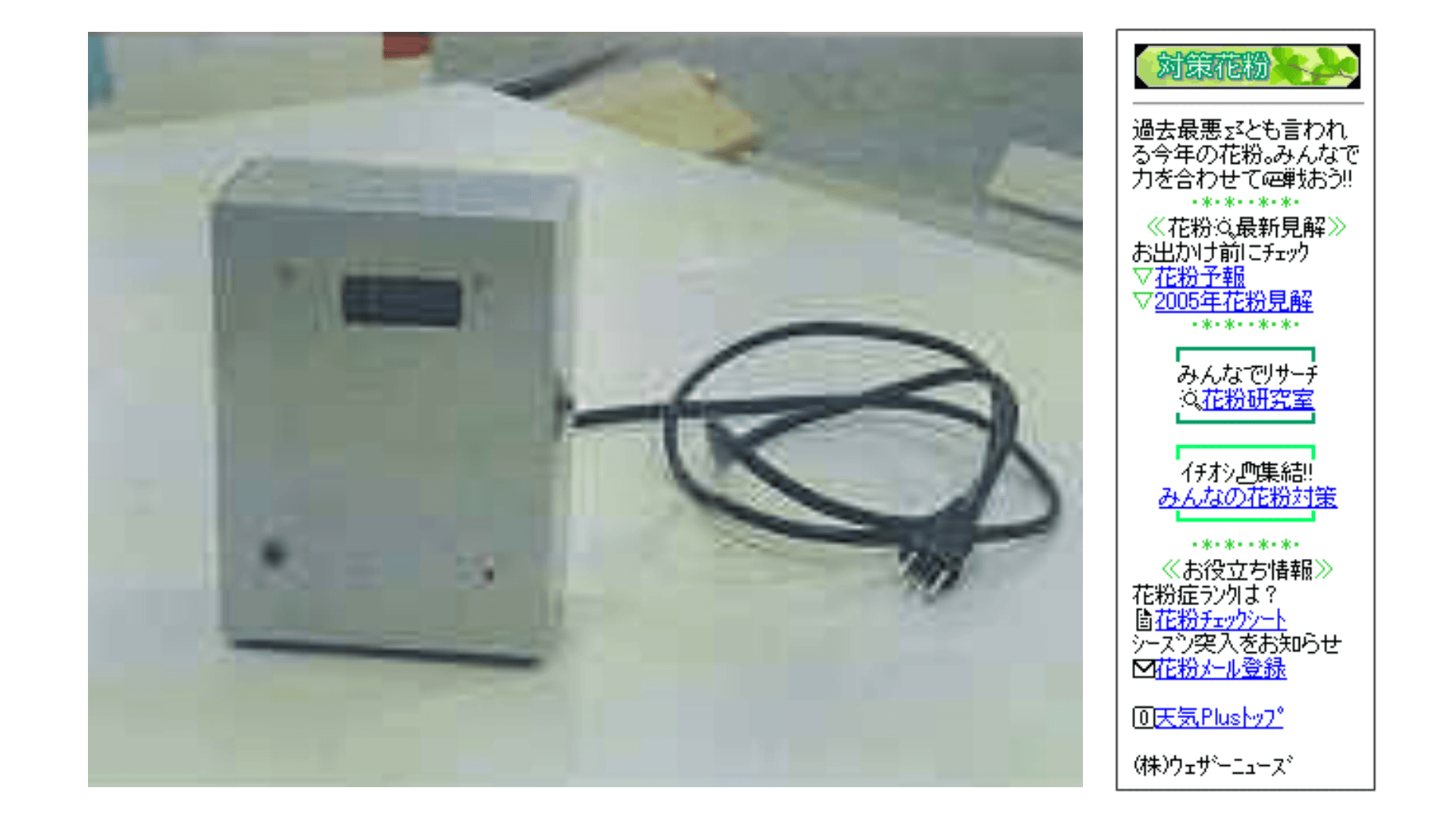
Weathernews' pollen forecasting journey began in 2005, around the time hay fever was becoming widely recognized as a nationwide health crisis in Japan. Back then, the standard method for pollen observation was the Durham method, a highly analog process where specialists manually counted pollen grains under a microscope after they settled onto slides placed outdoors. It was extremely time-consuming and labor-intensive.
With this approach, data would only become available the next day or later, and only as daily totals. Observation sites were also limited. For people wondering about current pollen levels in their immediate area, it simply wasn't enough to deliver truly useful, real-time information.
"We want to help as many people as possible who are suffering from hay fever. To do that, we need to build our own real-time measurement system."
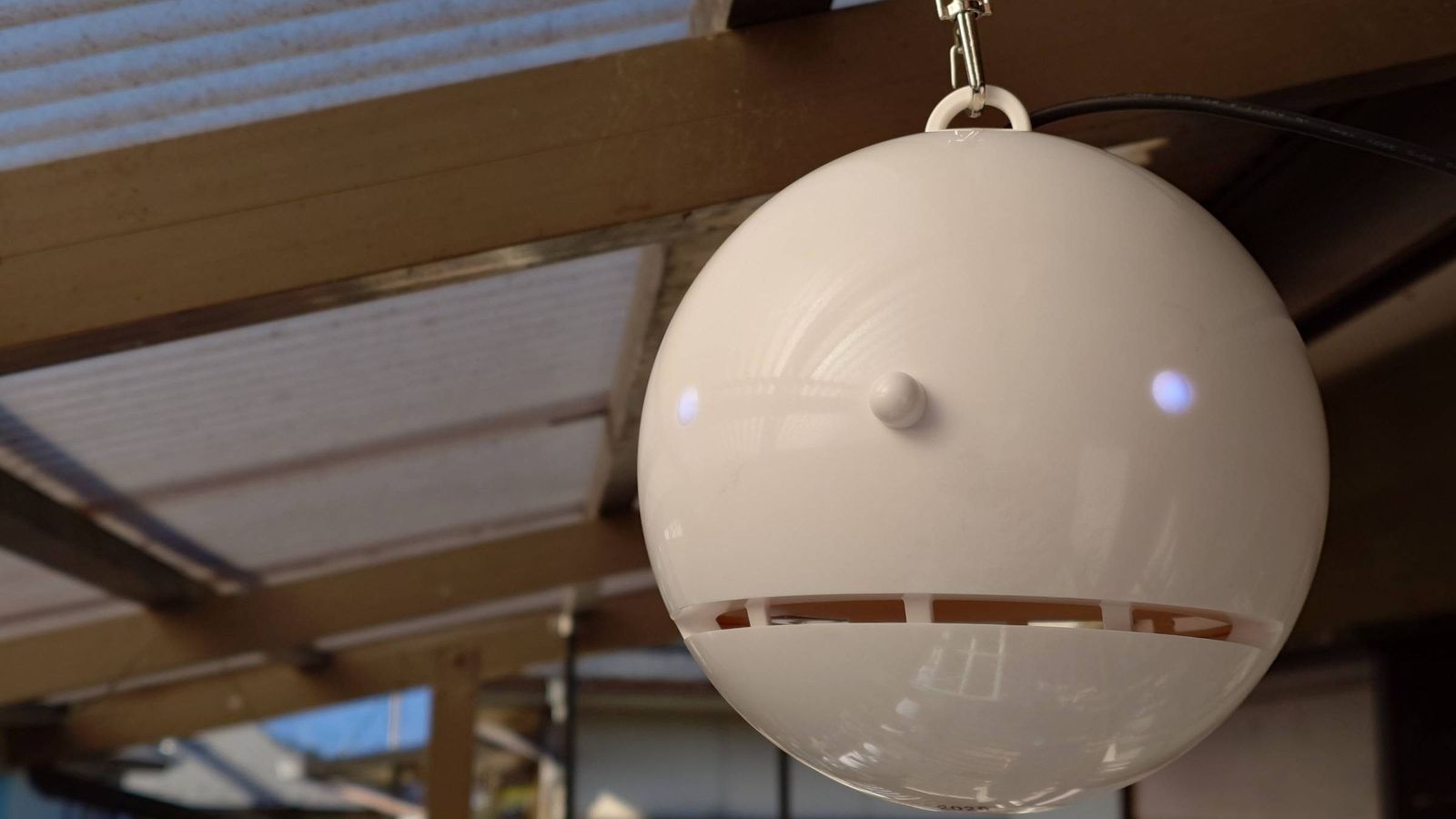
This conviction led to the birth of our independently developed IoT pollen observation device: the Pollen Robo. Using laser sensors to instantly detect airborne pollen and automatically monitor conditions 24/7, it marked the beginning of a significant innovation.
Building Japan's Largest Pollen Observation Network with 1,000 Volunteers Nationwide
However, turning this innovation into a nationwide reality presented a significant challenge: securing the locations and manpower needed to expand the observation network across Japan.
The solution came from our supporters, users across the country who believed in our mission. We recruited volunteer "hosts" who would install a Pollen Robo at their homes and report both pollen observation data and their own symptoms. In the first year, 100 people joined us. Through this community connected by shared purpose, a unique pollen observation infrastructure was born: one that continues to thrive today.
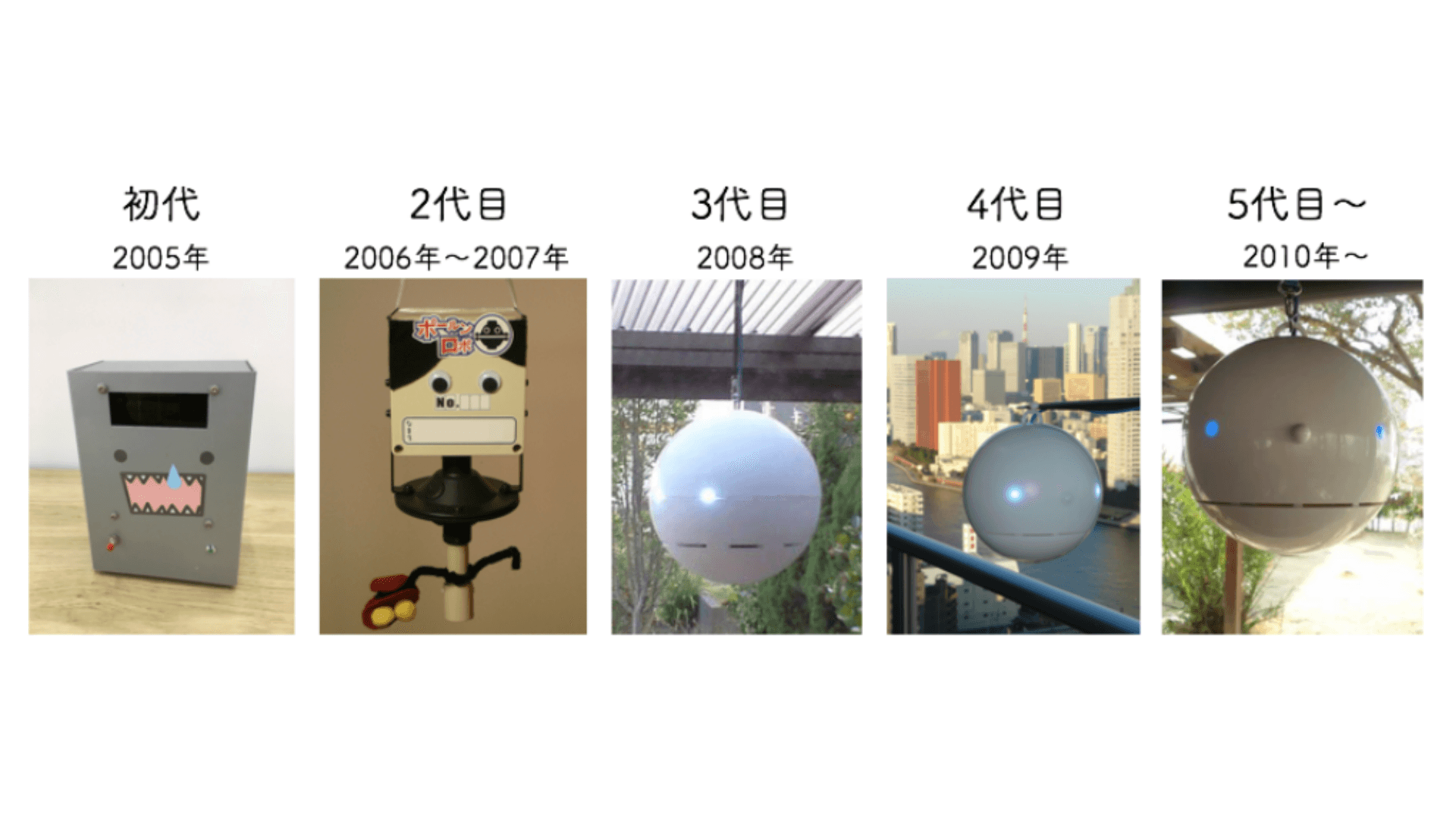
We've continuously improved the Pollen Robo over the years. The first generation required hosts to visually check readings and report them manually. The second generation introduced automatic data transmission via Wi-Fi. The latest model uses SIM-based mobile communication, just like a smartphone, enabling fully automatic observation simply by plugging it into an outlet. By 2011, we had reached 1,000 installations nationwide, creating Japan's most comprehensive pollen observation network.
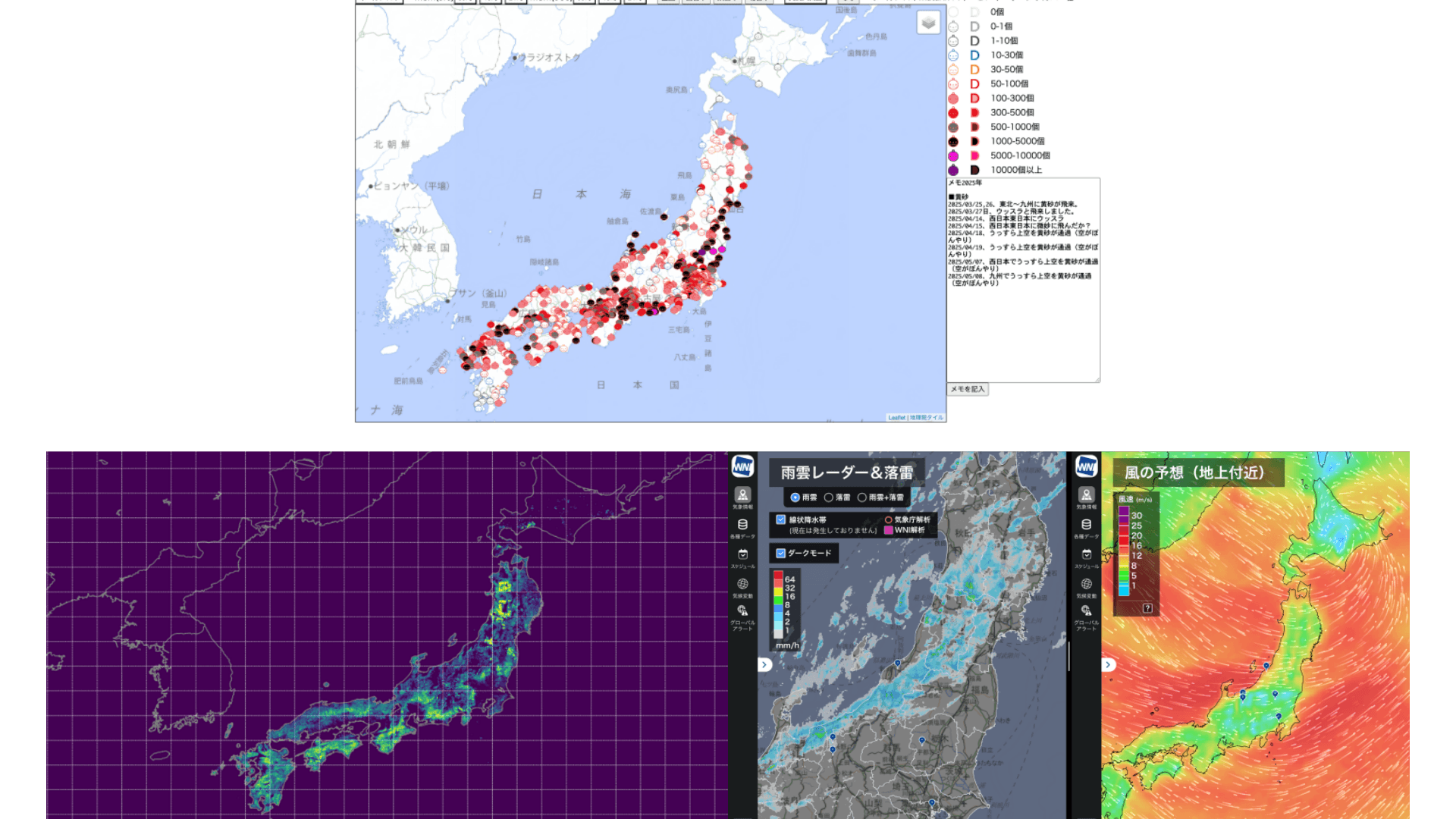
Today, three powerful data streams converge at Weathernews:
Observed Data: Real-time pollen dispersion levels measured every minute by 1,000 Pollen Robo devices nationwide.
Meteorological and Vegetation Data: Cedar and cypress distribution maps combined with weather data (wind, temperature, humidity) on a 1-kilometer mesh grid.
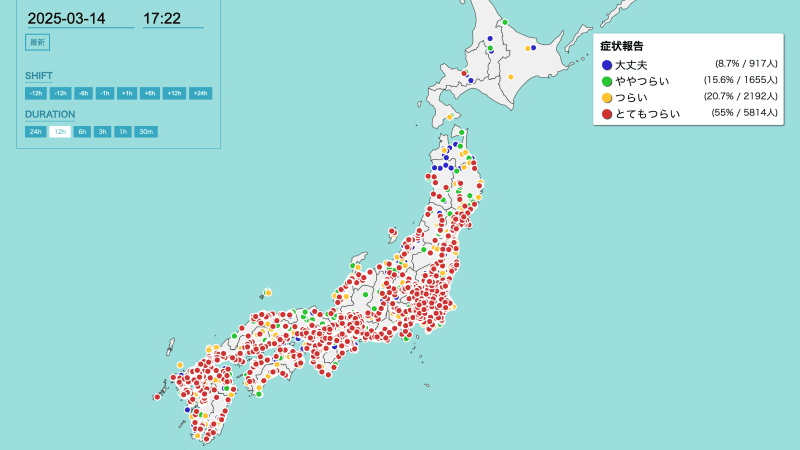
User-Reported Symptom Data: Reports of hay fever symptoms submitted by app users.
By combining these datasets through advanced algorithms, we have achieved hourly pollen forecasts for areas as small as one square kilometer. Moreover, by visualizing and incorporating the actual severity of symptoms experienced by sufferers, we are able to provide information from the perspective of daily life, making it even more practical and relevant.
The End of “Hanako-san” and Becoming Japan’s Only Automatic Pollen Observation Network
Weathernews' efforts in pollen forecasting eventually gained significant public recognition. In 2021, the Ministry of the Environment announced it would terminate its long-running pollen observation system, known as "Hanako-san." One of the reasons cited was that private-sector observation networks had become sufficiently established.
This announcement was a pivotal moment: it meant Weathernews' pollen information was now recognized as essential social infrastructure. What began as a modest initiative 20 years ago had grown into a network acknowledged even by the government.
Over the years, other companies have also attempted pollen observation initiatives. However, many were forced to withdraw due to the significant costs and operational burden of installation and maintenance. Weathernews has been able to sustain this work because of our unwavering commitment to this vital infrastructure and our collaboration with users who share that mission.
Our Commitment as a Trusted Source Protecting the Nation’s Health
Today, pollen information plays a vital public role, influencing people's daily routines and overall quality of life.
That's why we take immense pride in our role as a pollen information provider and approach it with a deep sense of mission. At the end of each pollen season, all 1,000 Pollen Robo units are collected. Our specialized staff carefully disassemble, clean, and maintain each device individually before sending them back to hosts across the country for the next season. We've continued this meticulous cycle every year without exception because we firmly believe that the accuracy of our information directly translates into peace of mind for everyone who depends on it.
We recognize the responsibility that comes with operating Japan's most comprehensive pollen information network. That's why we'll continue delivering accurate, timely information that helps you get through spring with greater comfort and confidence.
Share
April 13, 2026
Looking Back on 42 Years at Weathernews: Realizing Community-Powered Weather Forecasting(By Kiyoteru Morita)
April 10, 2026
Heatstroke Prevention Case Studies: Leveraging SoratenaPro in Construction and Schools
![[Developer Interview] Building the World’s Most Accurate Wave Forecasting Model](https://gvs.weathernews.jp/wni_blog_media/large_20260331_TOP_177db7c4c9.JPG)
April 1, 2026
[Developer Interview] Building the World’s Most Accurate Wave Forecasting Model